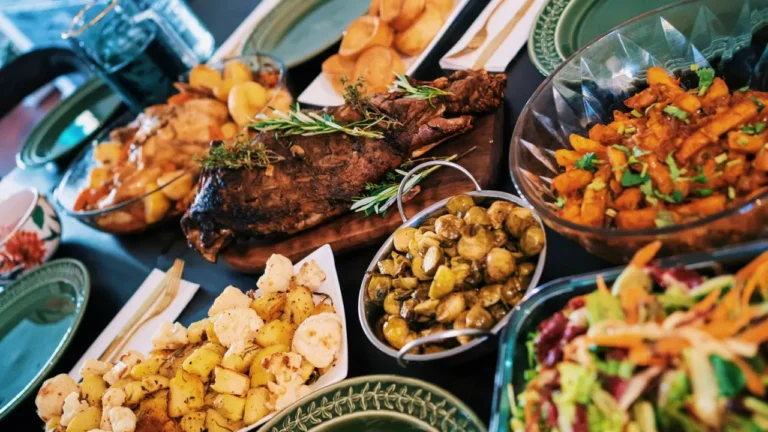

German cuisine is hearty, diverse, and deeply rooted in tradition. It reflects the country’s regional pride, with every state offering its own signature dishes and flavors. From rustic Bavarian specialties to elegant northern seafood and classic street foods, Germany’s culinary scene is as varied as its landscapes.
Whether you’re enjoying a quick bite at a local market or savoring a multi-course dinner, every meal tells a story of comfort, craftsmanship, and community.
- Iconic German Dishes
Bratwurst
Germany’s most beloved sausage comes in countless regional varieties—grilled, fried, or simmered to perfection. Try Nürnberger Bratwurst (smaller and spiced with marjoram) or Thüringer Bratwurst, known for its smoky flavor. Pair it with mustard and a warm pretzel for an authentic taste of Germany.
Sauerbraten
Often called Germany’s national dish, this slow-cooked pot roast is marinated for days in vinegar, spices, and wine before being roasted to tender perfection. Served with red cabbage and potato dumplings, it’s comfort food at its finest.
Schnitzel
Breaded and fried to golden crispness, Schnitzel is a crowd-pleaser found across the country. The Wiener Schnitzel (veal) is the classic version, but pork and chicken are also popular. Add a slice of lemon and potato salad for the perfect plate.
Pro Tip: Many traditional taverns, called Gasthäuser, serve family recipes passed down for generations.
- Regional Favorites
Bavaria (South Germany)
Bavaria’s cuisine is rich and hearty. Try Weißwurst, a veal sausage served with sweet mustard, and pair it with a Brezn (pretzel) and a pint of Hefeweizen (wheat beer). Don’t miss Obatzda, a creamy cheese spread perfect for beer garden snacking.
Rhineland and West Germany
In the Rhine region, sample Himmel un Ääd—a comforting mix of mashed potatoes, apple sauce, and blood sausage. The area is also known for its Riesling wines, perfect with light meats and seafood.
Northern Germany
Coastal cities like Hamburg and Bremen are known for their seafood. Try Matjes herring, Labskaus (a traditional sailor’s dish of corned beef, potatoes, and beetroot), or freshly baked fish rolls from harbor markets.
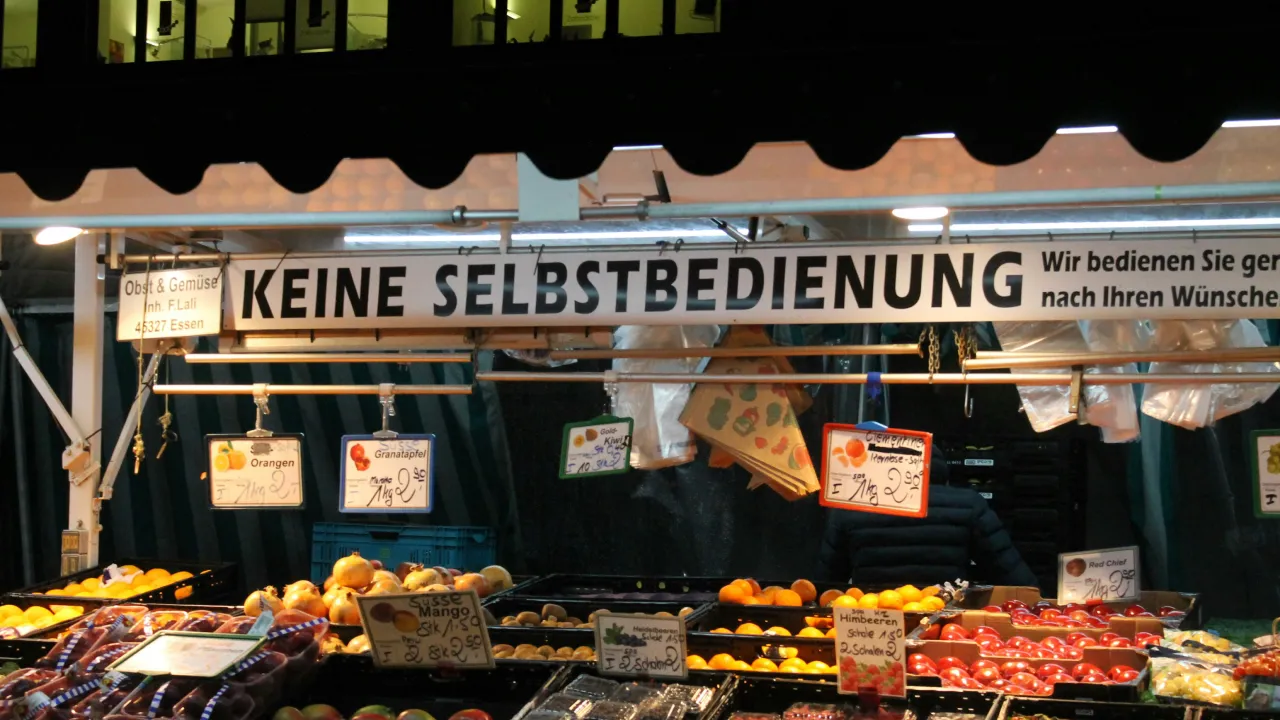
Pro Tip: Food markets and beer gardens are great places to sample local dishes affordably while mingling with locals.
- Sweet Treats and Desserts
German desserts are a celebration of indulgence and nostalgia.
Black Forest Cake (Schwarzwälder Kirschtorte): Layers of chocolate sponge, cherries, and whipped cream infused with cherry liqueur.
Apfelstrudel: Warm apple pastry with cinnamon and raisins, often served with vanilla sauce.
Berliner: A jelly-filled doughnut enjoyed year-round (especially during New Year festivities).
Pro Tip: Many cafés specialize in Kaffee und Kuchen—an afternoon ritual of coffee and cake that’s as much about conversation as it is about dessert.
- Drinks to Accompany Your Meal
Germany is world-famous for its beer culture, but there’s more than lagers and pilsners. Each region boasts its own specialty—Weißbier in Bavaria, Kölsch in Cologne, and Altbier in Düsseldorf. Wine lovers will enjoy the crisp whites from the Mosel and Rheingau valleys.
For something non-alcoholic, try Apfelschorle (sparkling apple juice) or Spezi (a mix of cola and orange soda).
- Dining Culture in Germany
German dining emphasizes quality, punctuality, and connection. Lunch (Mittagessen) is often the main meal, while dinner (Abendbrot) tends to be lighter. Restaurants value quiet conversation and courteous manners—always greet your waiter with a polite “Guten Tag” and say “Danke” when leaving.
Pro Tip: Tipping 5–10% is customary, usually handed directly to the server rather than left on the table.
German cuisine is an experience of warmth, history, and regional pride. Whether it’s a crispy schnitzel in Munich, a slice of Black Forest cake in Baden-Württemberg, or a pretzel enjoyed at a riverside beer garden, each bite offers a glimpse into Germany’s heart.
Food in Germany isn’t just about taste—it’s about tradition, community, and celebrating the simple joy of sharing a meal.