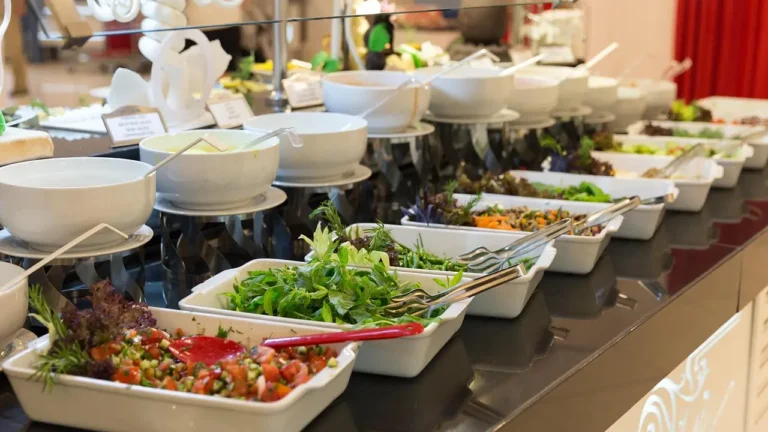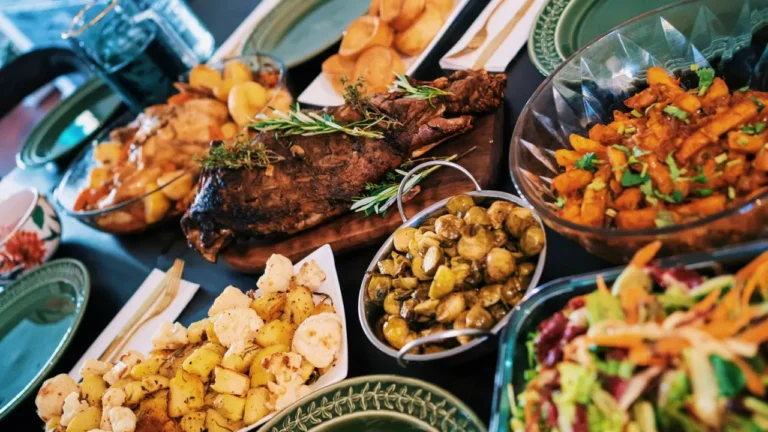
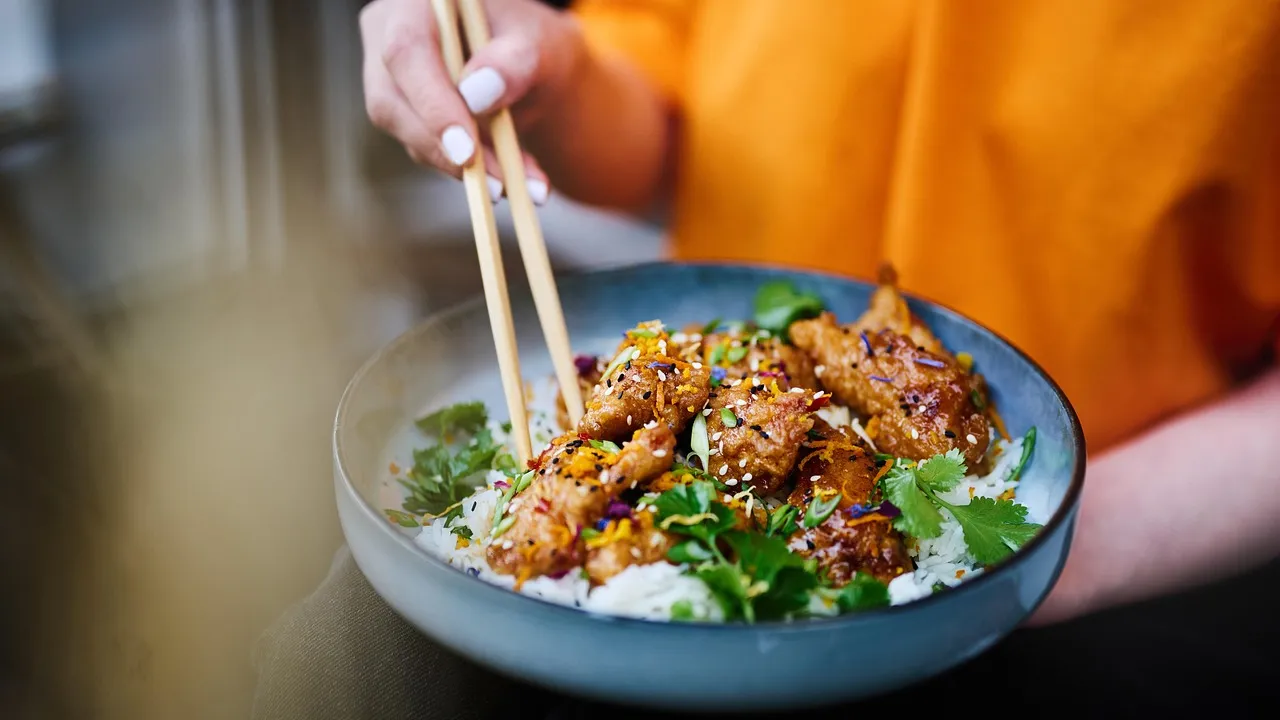

Indonesian cuisine is as diverse as its 17,000 islands, offering an extraordinary range of flavors, textures, and aromas. Each region presents its own culinary identity, shaped by history, geography, and culture. From the fiery spices of Sumatra to the sweet, coconut-infused dishes of Java and the seafood-rich plates of the archipelago’s coastal islands, exploring Indonesian cuisine is a journey through the country’s soul.
Rice is the backbone of most Indonesian meals, often accompanied by richly flavored meats, vegetables, or seafood. Nasi Goreng, the nation’s beloved fried rice, is a perfect example of comfort food elevated with spices, soy sauce, and sometimes a fried egg on top. In Java, Gudeg, a sweet young jackfruit stew, offers a unique taste of traditional Javanese cooking, while Rendang from West Sumatra is a slow-cooked beef dish simmered in coconut milk and a blend of aromatic spices, renowned for its depth of flavor.
Street food plays a central role in Indonesian culinary culture. Markets and warungs (small eateries) serve an array of delights, from Satay, skewered and grilled meat served with rich peanut sauce, to Bakso, hearty meatball soup enjoyed by locals at all hours. Gado-Gado, a vibrant salad of blanched vegetables, tofu, and peanut dressing, showcases the harmony of freshness and complexity that defines Indonesian cooking. Traveling through the islands, one quickly discovers that food is deeply tied to regional identity, with every dish telling a story of heritage and local ingredients.
Seafood dominates coastal regions, especially in islands like Bali, Sulawesi, and Maluku. Grilled fish, spicy shrimp, and coconut-based curries reflect the bounty of the surrounding seas. Tropical fruits such as rambutan, mangosteen, and salak are enjoyed as snacks or desserts, often served alongside sweet treats like Klepon, glutinous rice balls filled with palm sugar and coated in coconut. The balance of sweet, sour, salty, and spicy flavors is a hallmark of Indonesian cuisine, creating dishes that are both satisfying and adventurous for the palate.
Indonesian dining is a communal experience. Meals are meant to be shared, with multiple dishes placed at the center of the table for everyone to enjoy. This approach emphasizes connection, hospitality, and the celebration of food as a social and cultural ritual. Accompanying drinks range from Teh Botol (sweet iced tea) to Bali coffee, adding local flavor to every bite.
Exploring Indonesian cuisine is more than tasting food—it is discovering the cultural and historical influences that have shaped each island’s culinary traditions. Spices brought by ancient trade routes, indigenous cooking techniques, and local ingredients combine to create a tapestry of flavors that is at once familiar and exotic. From bustling street stalls to fine dining restaurants, Indonesia invites travelers to savor its diversity, authenticity, and richness, making every meal a journey through its islands, people, and stories.