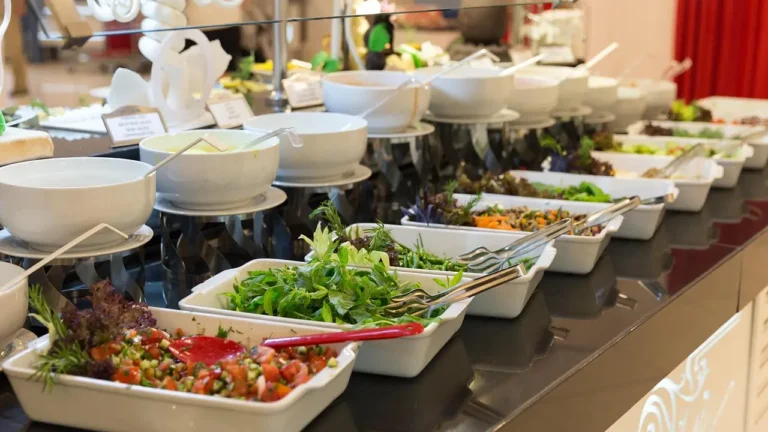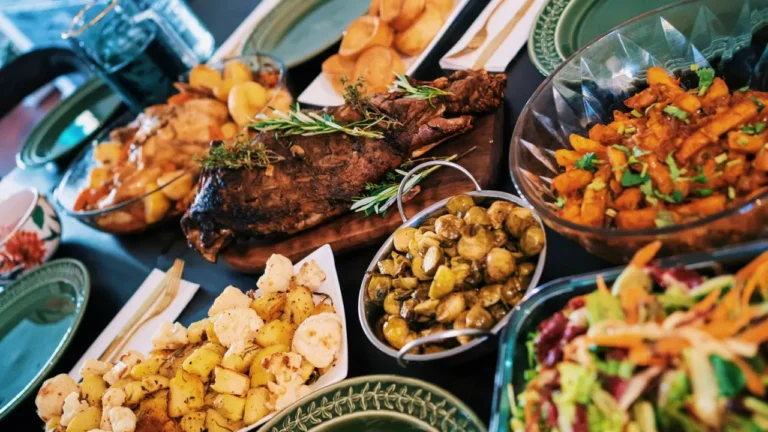

Malaysian cuisine is a vibrant reflection of the country’s rich cultural tapestry, blending Malay, Chinese, Indian, and indigenous influences into a tantalizing array of flavors. Each region offers its own specialties, making dining in Malaysia a journey of discovery. From bustling street markets to elegant restaurants, the food scene is an essential part of experiencing the nation’s identity.
One of Malaysia’s most iconic dishes is Nasi Lemak, considered the country’s national dish. Traditionally served with fragrant coconut rice, spicy sambal, crispy anchovies, roasted peanuts, and a boiled egg, it can be found from street stalls to high-end eateries. Another beloved dish is Char Kway Teow, stir-fried flat rice noodles cooked with shrimp, Chinese sausage, egg, and bean sprouts, delivering a smoky, savory delight often associated with Penang. For lovers of bold flavors, Rendang, a slow-cooked beef curry with rich coconut milk and aromatic spices, offers a taste of Minangkabau heritage from West Sumatra, celebrated in both Malaysia and Indonesia.
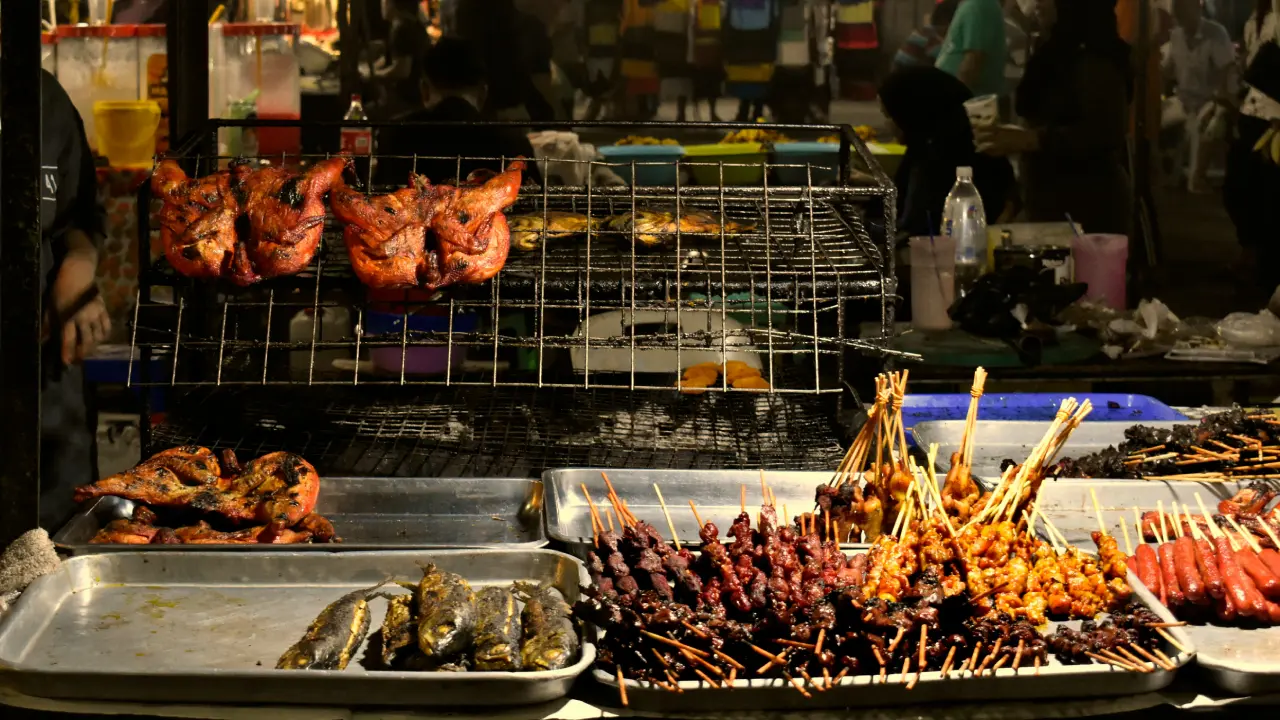
Street food is the heartbeat of Malaysia’s culinary culture. Satay, skewered and grilled meat served with peanut sauce, is a crowd favorite, while Laksa, a spicy noodle soup with a coconut-based or tamarind broth, showcases the diverse regional flavors of Penang and Sarawak. Roti Canai, a flaky Indian-influenced flatbread served with curry, and Hainanese Chicken Rice, tender poached chicken with fragrant rice and chili sauce, are must-try dishes that reflect Malaysia’s multicultural influences.
Desserts and snacks are equally diverse. Sweet treats like Cendol, shaved ice with palm sugar, coconut milk, and green rice flour jelly, offer refreshing relief in the tropical heat. Kuih, bite-sized cakes and pastries made from rice flour, coconut, and palm sugar, are often enjoyed as snacks or festive treats. Tropical fruits such as rambutan, durian, and mangosteen complement the local dishes, providing bursts of flavor that are uniquely Malaysian.
Beverages also play an important role in the culinary experience. Teh Tarik, a frothy pulled tea, is a national favorite, while fresh coconut water and sugarcane juice are popular street-side refreshments. For coffee lovers, Kopi-O—strong black coffee often served sweetened with condensed milk—offers a bold taste of local culture. Dining in Malaysia is as much about social connection as it is about flavor, with meals often shared among friends and family, emphasizing warmth and hospitality.
From the spicy curries of Penang to the sweet desserts of Kuala Lumpur, Malaysian cuisine is a celebration of diversity, history, and creativity. Every dish tells a story of cultural fusion, local ingredients, and culinary innovation, inviting travelers to savor the richness of Malaysia one bite at a time.