
Turkey’s cuisine is a journey through centuries of tradition, culture, and geography—an exquisite blend of Mediterranean freshness, Middle Eastern spice, and Central Asian heartiness. Every dish tells a story of the land and the people who’ve called it home, reflecting influences from the Ottoman Empire to modern Anatolia. Whether enjoyed in a bustling Istanbul eatery or a quiet seaside café, Turkish food offers an unforgettable feast for the senses.
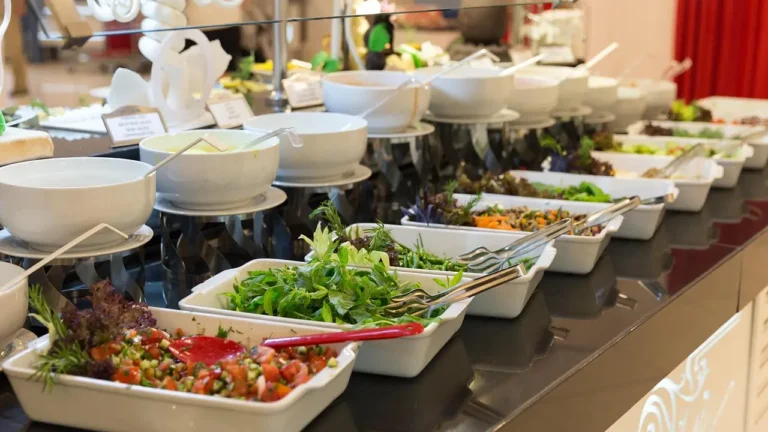
At the heart of Turkish cuisine lies meze, a selection of small plates meant for sharing, symbolizing warmth and togetherness. These appetizers often include hummus, baba ghanoush, haydari (a yogurt and herb dip), and dolma, grape leaves stuffed with rice and spices. Served alongside freshly baked pide (flatbread) or warm lavash, meze sets the stage for a leisurely meal enjoyed among friends and family.
No culinary exploration of Turkey would be complete without tasting kebabs, the country’s most famous export. From the smoky, spicy Adana kebab to the juicy shish kebab grilled over charcoal, each region adds its own twist. The Iskender kebab, made with thinly sliced lamb served over pita bread and drizzled with tomato sauce and melted butter, is a must-try in Bursa. For a heartier meal, Testi kebab from Cappadocia—slow-cooked in a sealed clay pot and dramatically cracked open at your table—offers both spectacle and flavor.
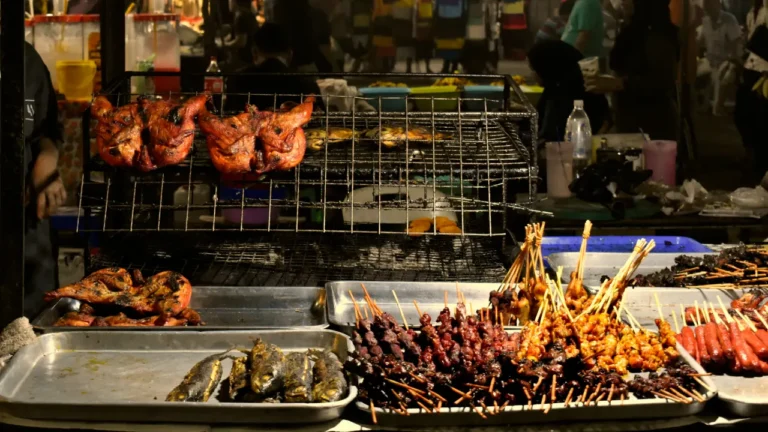
Turkey’s street food scene is equally irresistible. In Istanbul, the aroma of simit, a sesame-crusted bread ring, fills the air each morning, often enjoyed with tea or cheese. Balık ekmek (fish sandwiches) along the Bosphorus, midye dolma (stuffed mussels), and kumpir (loaded baked potatoes) are beloved local favorites. And for those with a sweet tooth, lokma, bite-sized fried dough balls soaked in syrup, is a street-side indulgence you won’t forget.
Seafood lovers will find paradise along Turkey’s coasts. The Aegean and Mediterranean regions offer grilled sea bass, octopus salads, and shrimp casseroles drizzled with olive oil and herbs. In contrast, the Black Sea region is known for its hamsi, or anchovies, which are prepared in countless ways—from pan-fried to baked with rice—showcasing the variety of local tastes.
Of course, no meal in Turkey is complete without dessert. Baklava, layers of filo pastry filled with pistachios or walnuts and soaked in honey syrup, is perhaps the most famous. Other traditional sweets like künefe, made with shredded pastry, cheese, and syrup, and şekerpare, semolina cookies soaked in lemony syrup, are equally divine. Pairing these desserts with a cup of Turkish tea or the strong, aromatic Turkish coffee turns the experience into a cherished ritual.
Turkish beverages hold their own cultural importance. Ayran, a refreshing yogurt drink, complements spicy dishes, while raki, an anise-flavored spirit known as “lion’s milk,” is often shared during celebratory meals. For a caffeine fix, menengiç coffee, made from wild pistachio beans, offers a nutty alternative to the traditional brew.
Exploring Turkish flavors is more than just tasting food—it’s immersing yourself in centuries of history and hospitality. Every bite connects travelers to the country’s soul, where sharing a meal means sharing stories and traditions. From the sizzling kebabs of Gaziantep to the delicate pastries of Istanbul, Turkey’s cuisine is a living expression of its rich, diverse heritage—one you’ll carry with you long after the last bite.